RL.4.3:
Reading Literature
Key Ideas and Details
Describe in depth a character, setting, or event in a story or drama, drawing on specific details in the text (e.g., a character's thoughts, words, or actions).
RL.4.1:
Reading Literature
Key Ideas and Details
Refer to details and examples in a text when explaining what the text says explicitly and when drawing inferences from the text.
RL.4.2:
Reading Literature
Key Ideas and Details
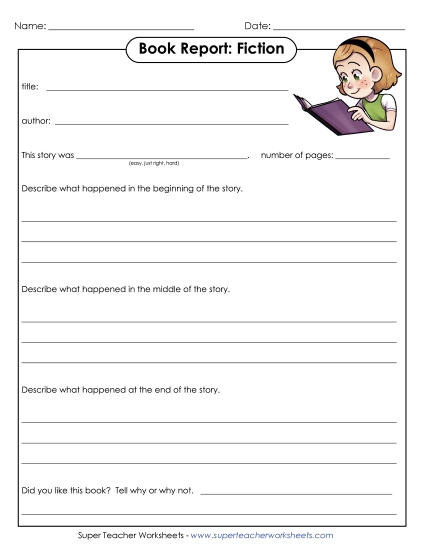
Determine a theme of a story, drama, or poem from details in the text; summarize the text.
RL.3.1:
Reading Literature
Key Ideas and Details
Ask and answer questions to demonstrate understanding of a text, referring explicitly to the text as the basis for the answers.
RL.3.2:
Reading Literature
Key Ideas and Details
Recount stories, including fables, folktales, and myths from diverse cultures; determine the central message, lesson, or moral and explain how it is conveyed through key details in the text.
RL.2.1:
Reading Literature
Key Ideas and Details
Ask and answer such questions as who, what, where, when, why, and how to demonstrate understanding of key details in a text.
RL.2.2:
Reading Literature
Key Ideas and Details
Recount stories, including fables and folktales from diverse cultures, and determine their central message, lesson, or moral.
RL.2.5:
Reading Literature
Craft and Structure
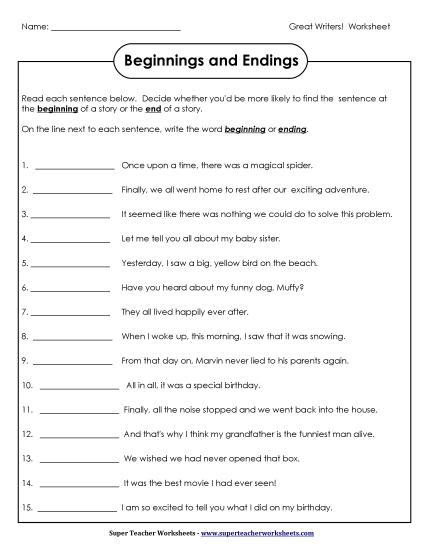
Describe the overall structure of a story, including describing how the beginning introduces the story and the ending concludes the action.